
Higher cavity risk.
Gum irritation.
Thinner, more translucent (and yellower) teeth over time.
Dentists compare it to other viral trends like charcoal or baking soda scrubs, which often cause more harm than good.
Why Viral Before-and-After Photos Look So Convincing
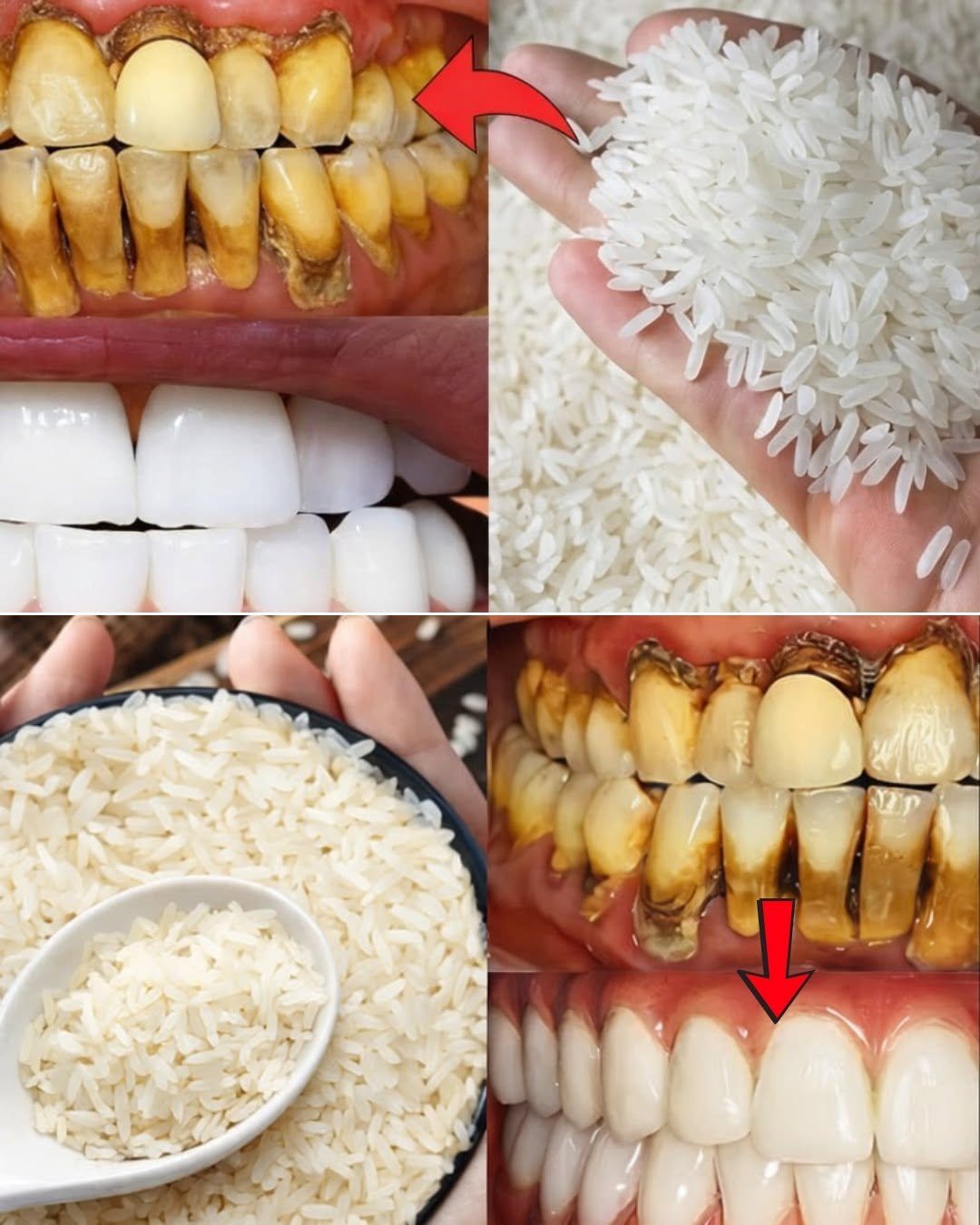
Differences in lighting, dry vs. wet teeth (dry appear whiter temporarily), or photo editing create illusions. Many “after” images show cleaner surfaces, not true whitening.
Professional results come from controlled bleaching, not tricks.
Safe, Evidence-Backed Ways to Support Teeth Whitening at Home
Look for ADA-approved options with peroxide for proven safety and results:
Method How It Works Potential Benefits from Studies Considerations
Whitening Toothpaste Mild abrasives + low peroxide Removes surface stains gradually Daily use; look for ADA Seal
Whitening Strips Hydrogen peroxide gel Noticeable brightening in weeks Follow instructions to avoid sensitivity
Professional In-Office Higher peroxide concentration Dramatic results in one visit Best for stubborn stains
Custom Trays from Dentist Take-home peroxide kits Controlled, even whitening Personalized fit
These methods are supported by research for effectiveness without excessive risk when used properly.
🌿 Gentle Daily Habits for Brighter Teeth
Brush twice with fluoride toothpaste.
Floss daily to remove plaque.
Rinse with water after staining foods/drinks.
Visit your dentist regularly for cleanings.
These support natural whiteness without risks.
If You’re Curious About Trying Rice Safely
Dentists generally advise against it, but if experimenting:
Use finely ground rice powder only.
Apply gently once, not repeatedly.
O resto si pe aver rig
